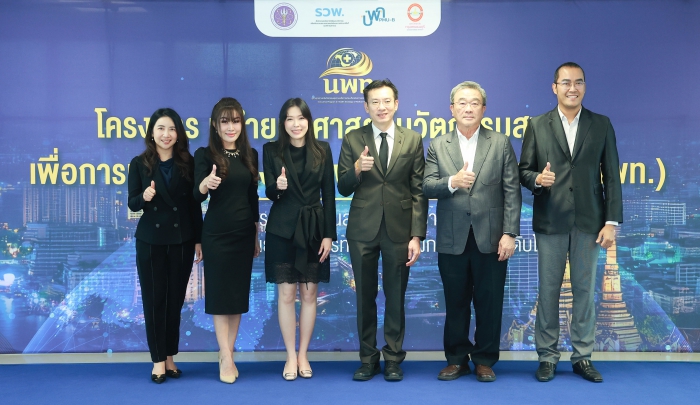
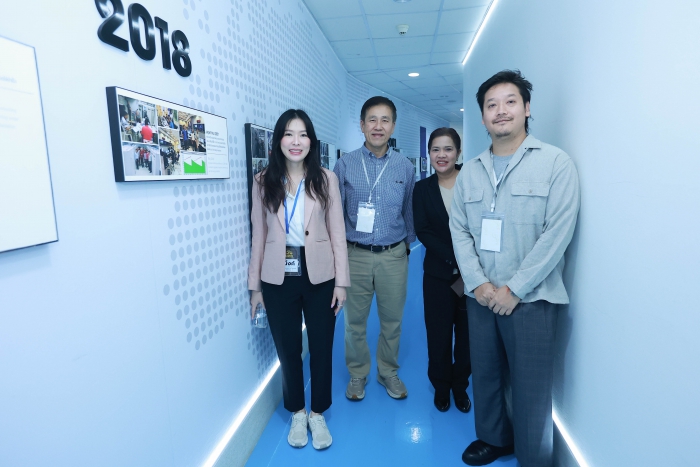
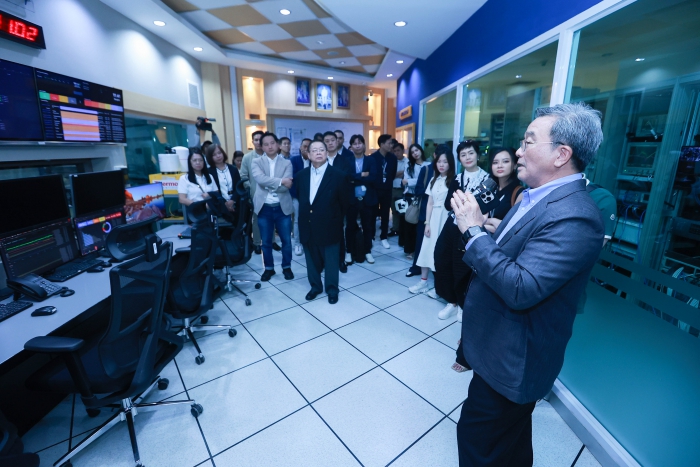
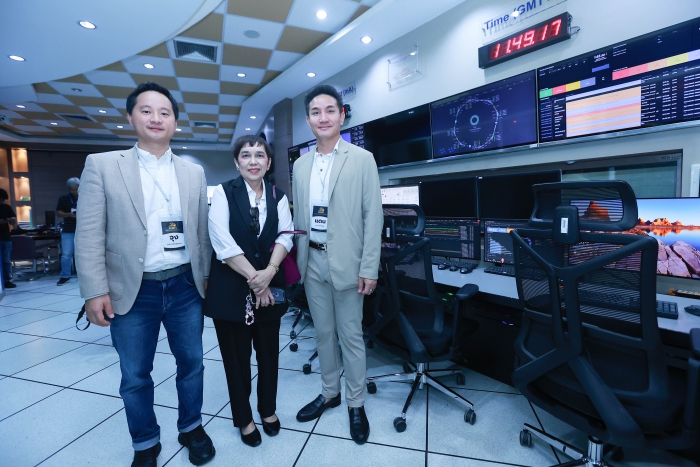
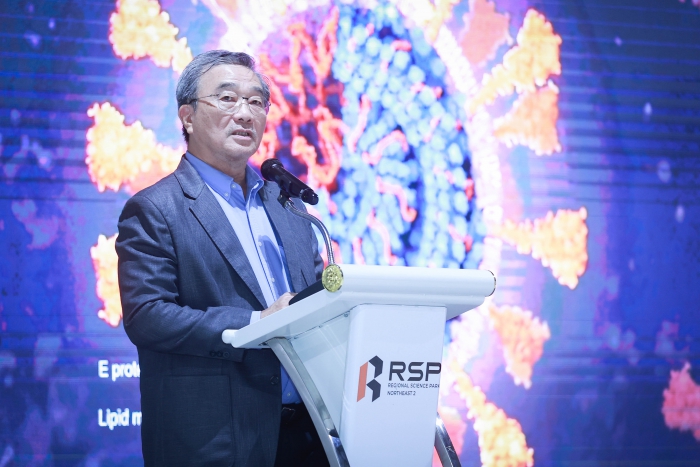
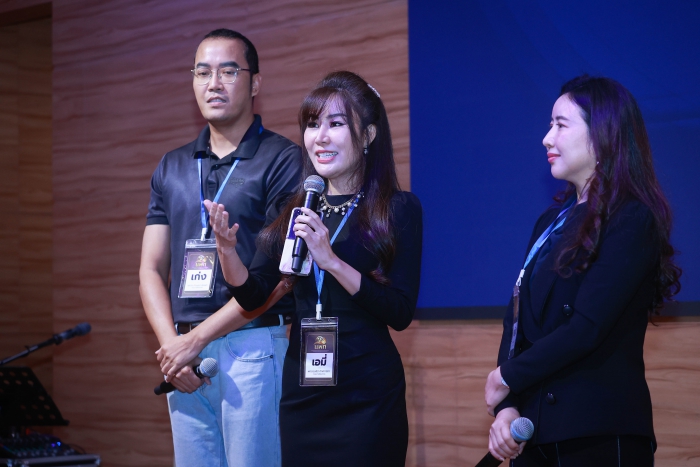
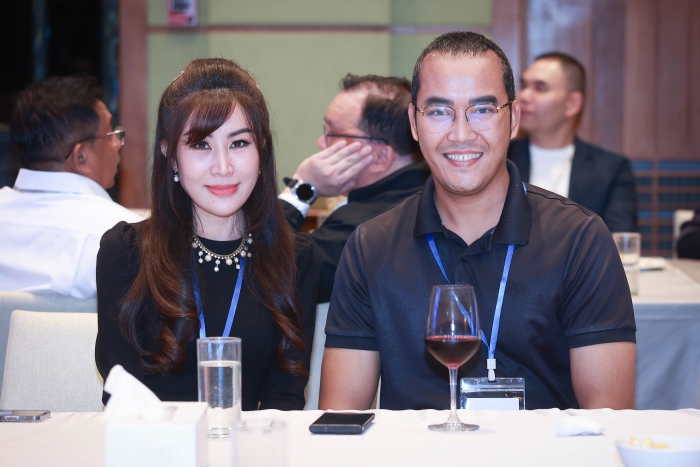
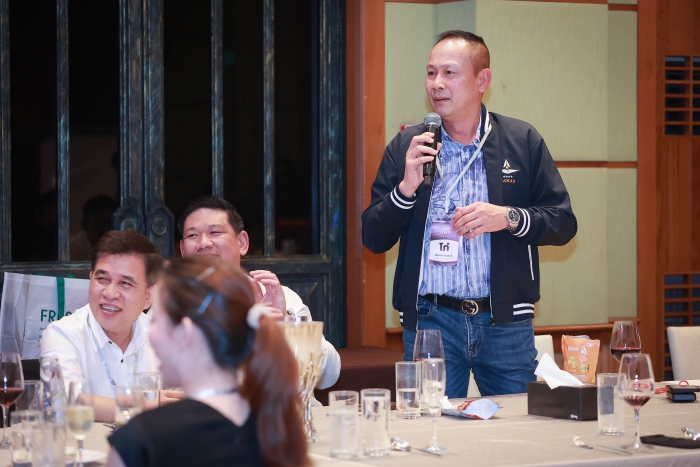
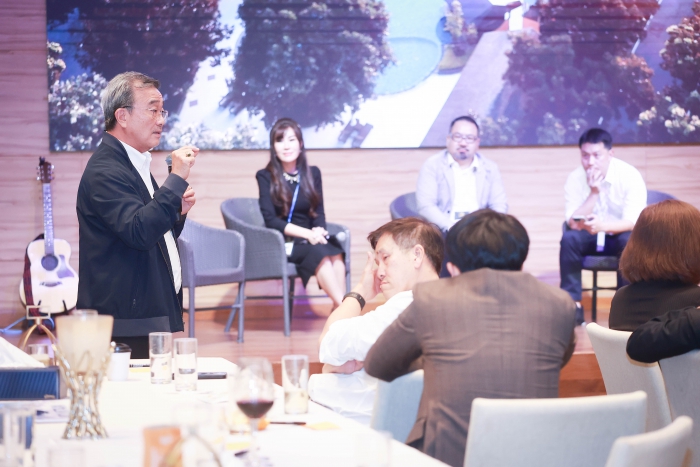
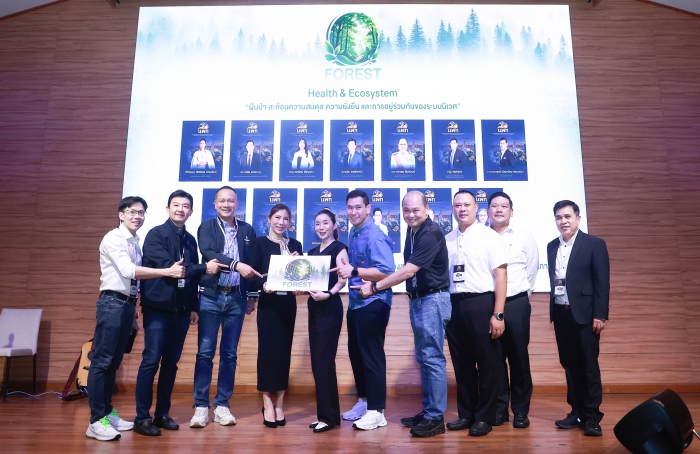
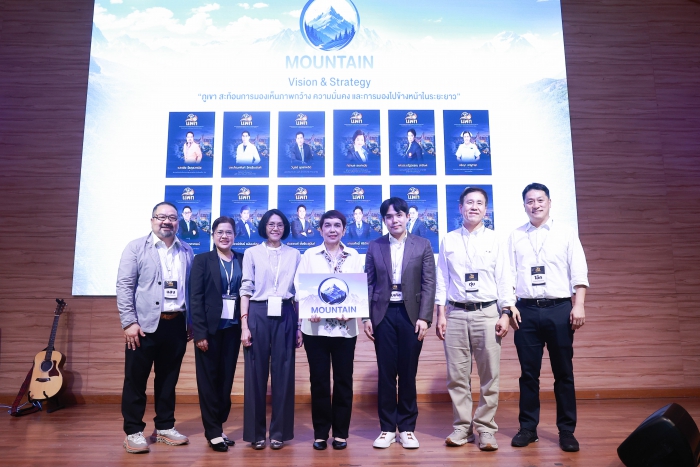
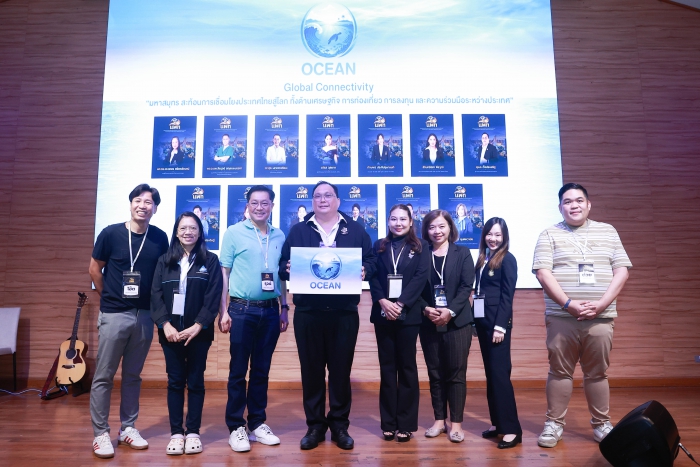
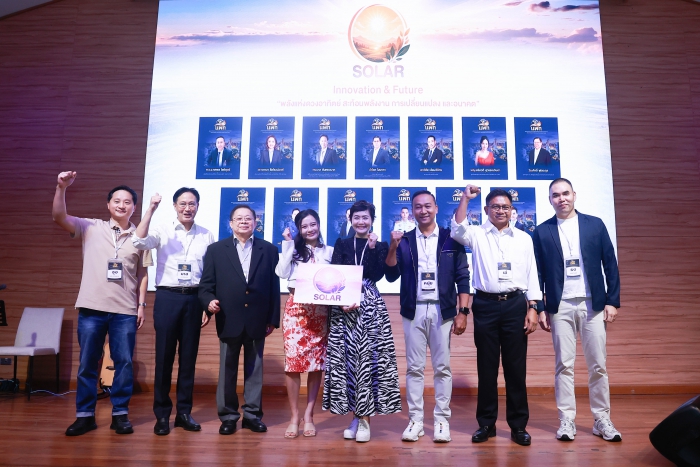
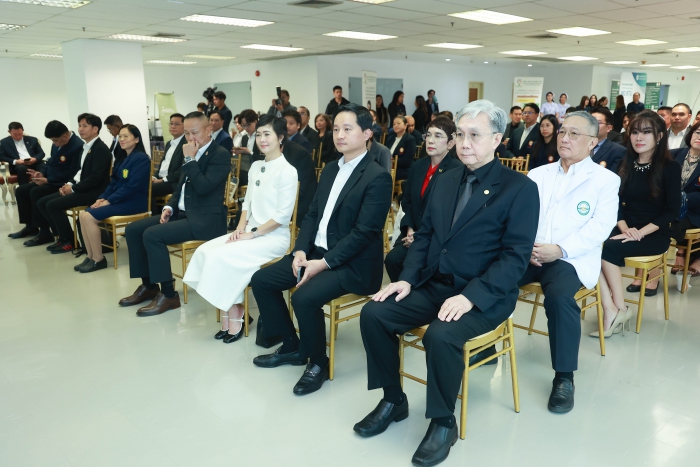
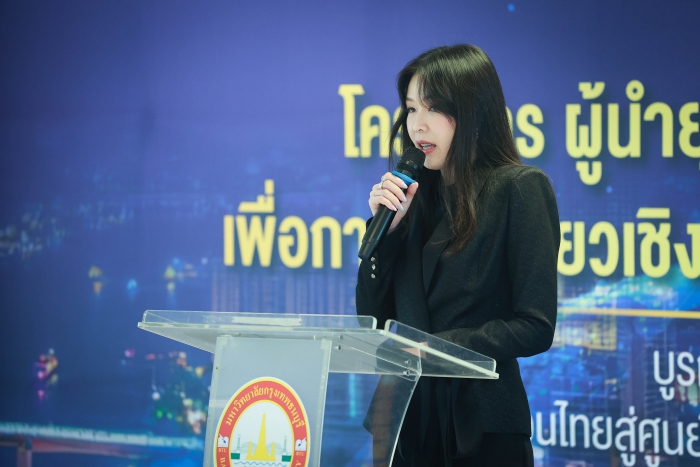
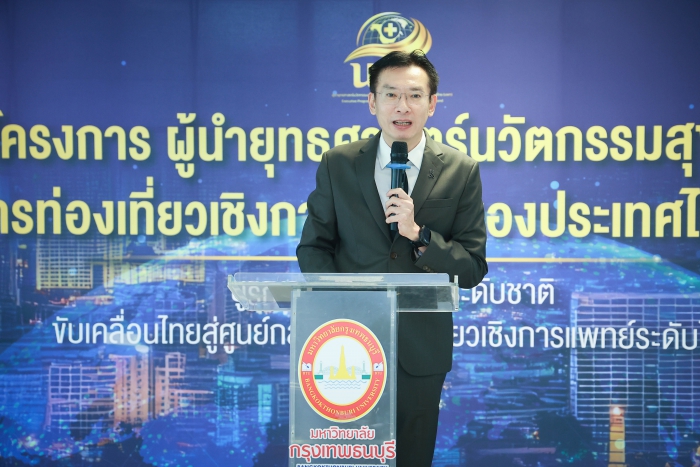
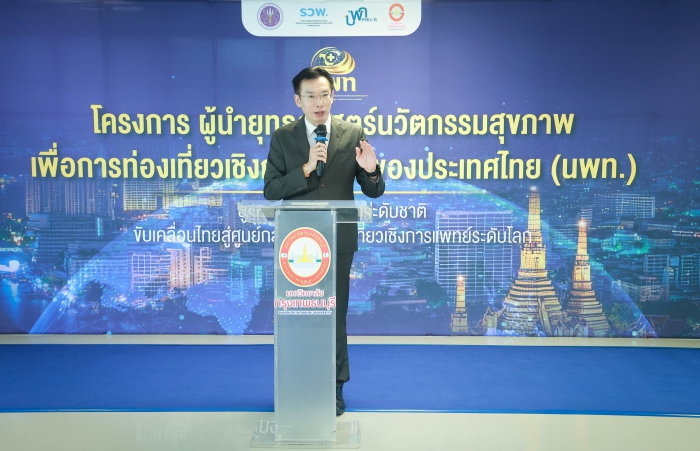
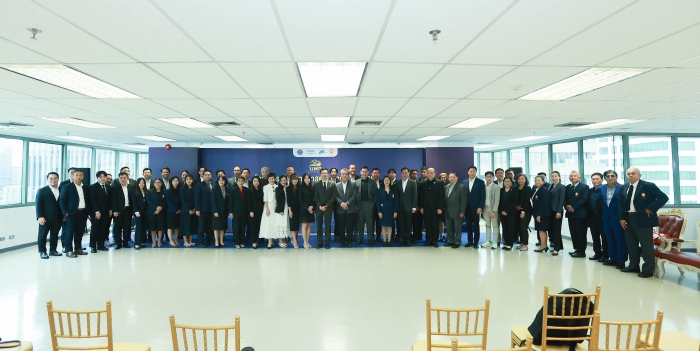
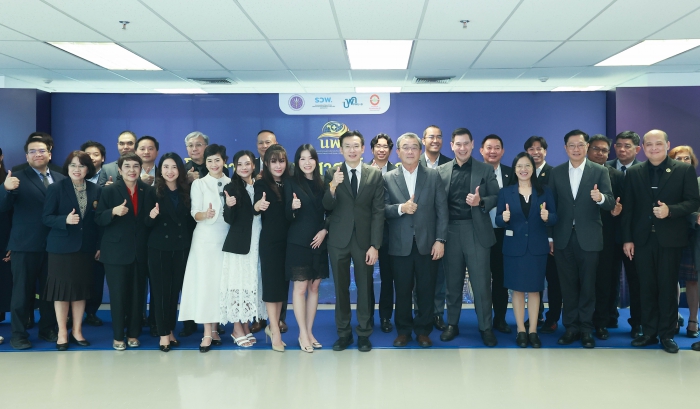
The Faculty of Medicine, Bangkok Thonburi University (BTU), in collaboration with the Ministry of Higher Education, Science, Research and Innovation (MHESI), the Accelerated Research and Innovation Development Agency (ARIDA), and the Human Resource Development and Institutional Development Fund Management Unit (HRDFMU), organized the “Strategic Leadership in Health Innovation for Medical Tourism in Thailand (HSIT)” project. Professor Dr. Supachai Pathumnakul, Permanent Secretary of the Ministry of Higher Education, Science, Research and Innovation, presided over the opening ceremony at the Bangkok Thonburi University Operations Center (Asoke).
The project was implemented by Associate Professor Dr. Veerapong Paesuwan, Chairman of the HRDFMU Executive Committee, Chairman of the Regional Science Park Promotion Committee, and Chairman of the HSIT Project Advisory Board, along with Professor (Special) Dr. Duangrit Benjathikul Chairungruang, Associate Professor... Dr. Patcharinruja Chantaronanont, Project Advisor; Assistant Professor Dr. Lalita Koskarika; Associate Professor Dr. Prinya Noisa; and Ms. Pornpimol Pakkhem, Project Committee member; Professor Emeritus Dr. Saraneet Waikakul, Dean of the Faculty of Medicine; administrators and faculty members of Bangkok Thonburi University; and executives from the government, private sector, medical sector, education sector, innovation sector, and tourism sector also participated in the opening ceremony of the project.
The project was organized to serve as a central platform for connecting collaboration between the government, private sector, medical sector, tourism sector, education sector, innovation sector, and experts from various fields. These individuals play a crucial role in driving the medical tourism ecosystem in Thailand. The Ministry of Higher Education, Science, Research and Innovation (MHESI) acts as a key "bridge" in integrating knowledge, perspectives, and experiences from all sectors to jointly design the direction and future of Thailand in the context of global medical tourism.
In addition to the exchange of academic perspectives, this Medical Tourism Project also... It is also a strategic co-creation process that provides participants with the opportunity to analyze global trends, identify Thailand's appropriate positioning, design a medical tourism ecosystem, and jointly define strategic approaches that can be effectively implemented at the national level.
In addition, the project also seeks to answer the question of where Thailand should stand on the global medical tourism stage and how Thailand can create a clear, distinctive, and sustainably competitive position in medical tourism internationally.
Professor Dr. Supachai said that the world is currently entering the era of the health economy in full force, due to changes in demographic structure, an aging society, advances in medical technology, and consumer behavior that places greater importance on health, disease prevention, and quality of life.
“Medical tourism is not just about tourism; it is about integrating knowledge, technology, innovation, services, and the creative economy to create new value and opportunities for the country. Therefore, to become a sustainable world-class medical tourism hub, cooperation from all sectors is necessary,” Professor Dr. Supachai said.
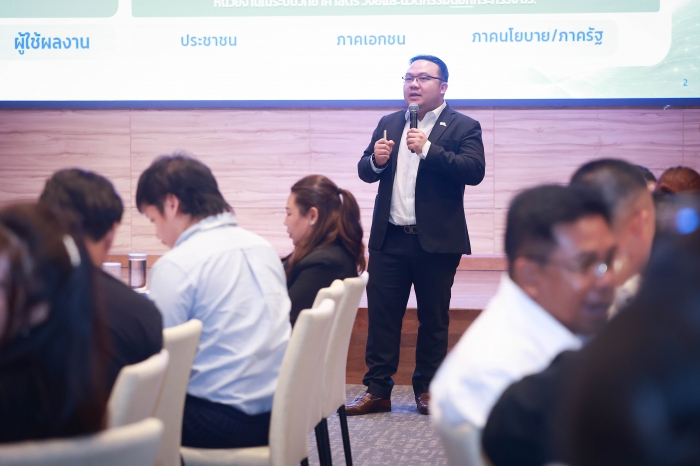
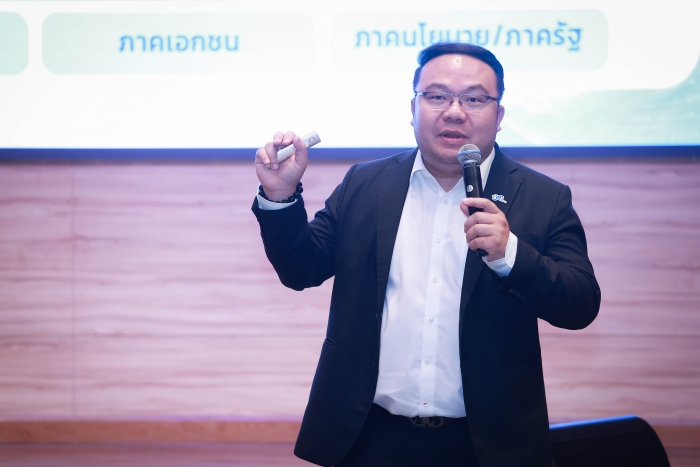
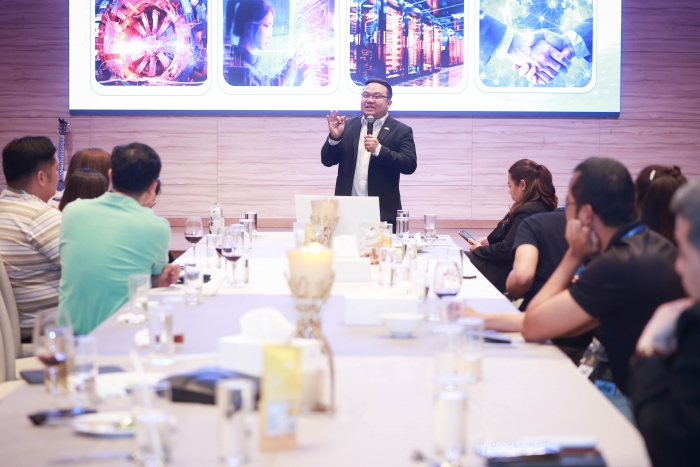
Regarding the first activity of the project... Special lectures were given on “The Role of the National Research Council of Thailand (NRCT) in Driving Thailand’s Medical Tourism Strategy” by Dr. Nirawat Thamajak, Director of the Human Resource Development and Higher Education, Research and Innovation Funding Unit, and on “Synchrotron and its Role in Enhancing Medical Innovation in Thailand” by Assoc. Prof. Dr. Veerapong Paesuwan.
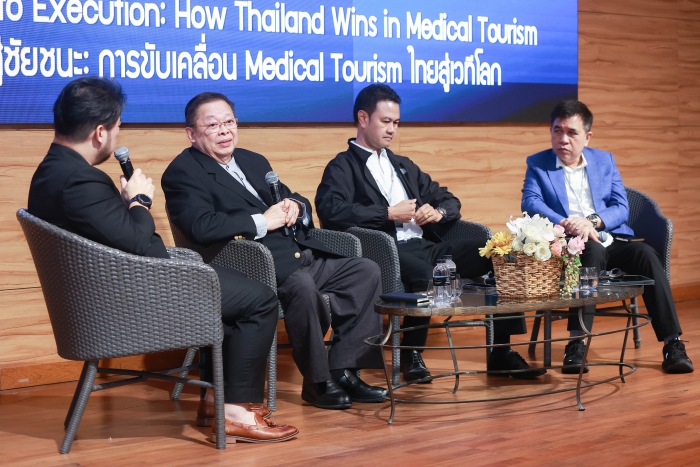
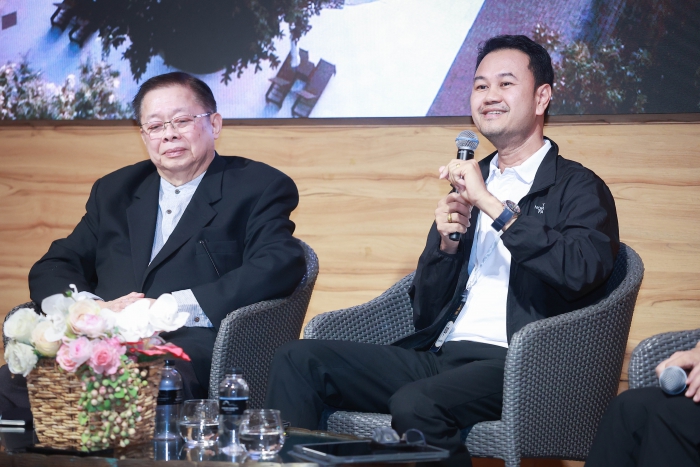
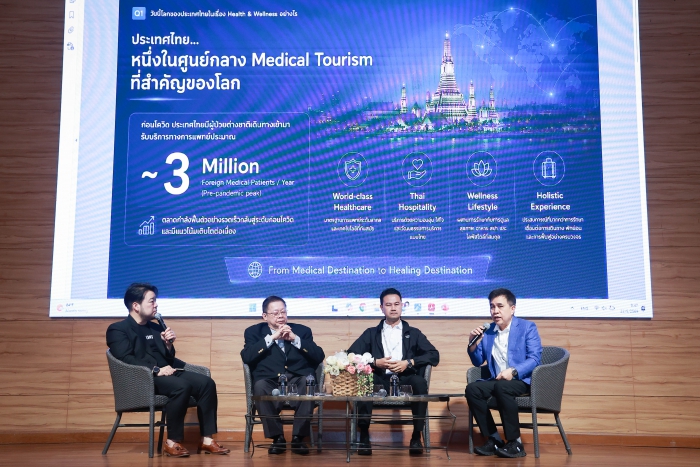
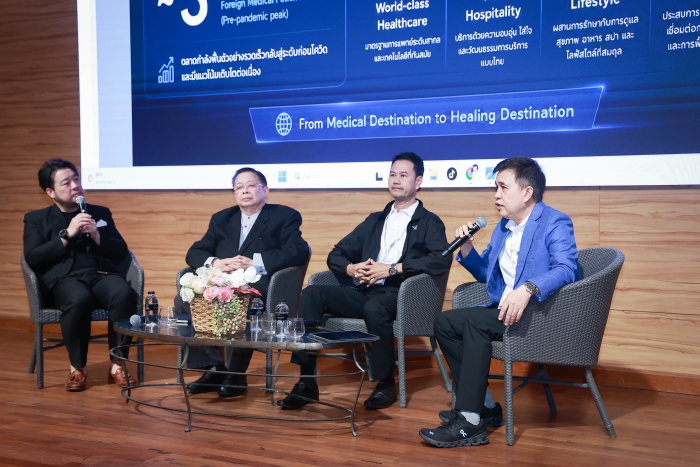
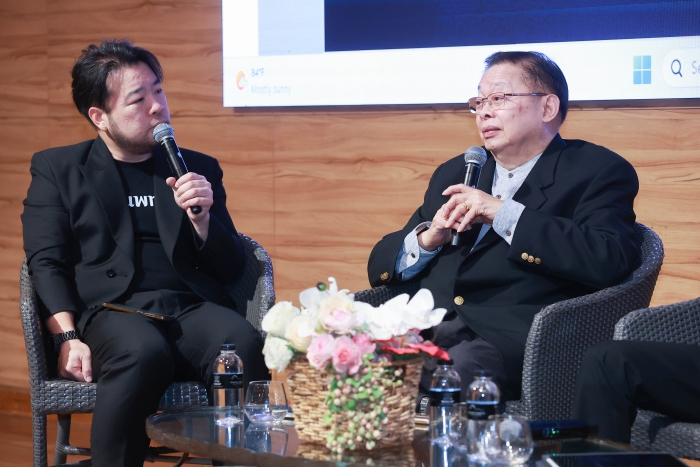
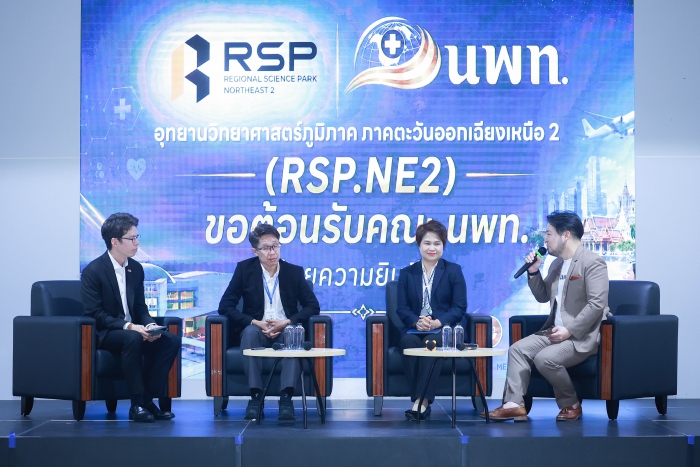
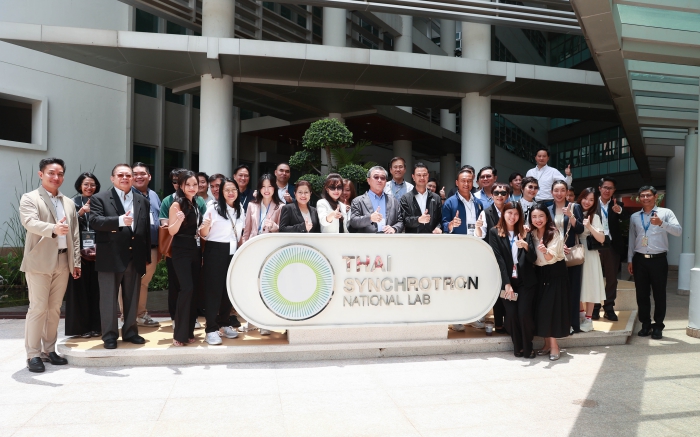
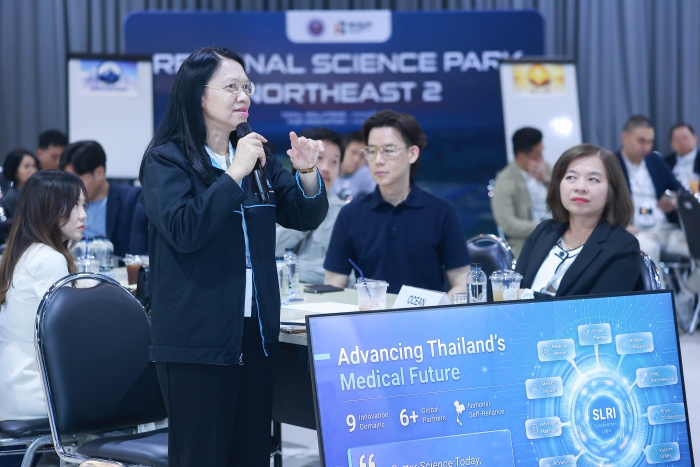
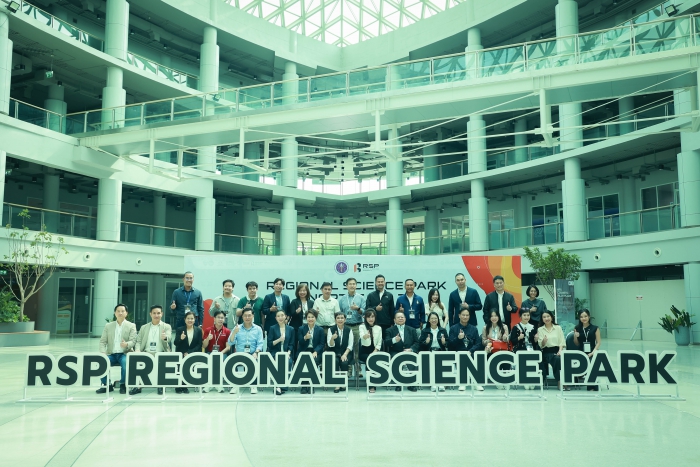
In addition, panel discussions were held on “Positioning Thailand as a Global Medical Tourism Hub,” “Deep Tech for Health: When Biotech and Synchrotron Transform Thai Medical Tourism,” “Integrating the Medical Tourism Ecosystem to Drive National Strategies,” and “From Strategy to Victory: Driving Thai Medical Tourism on the Global Stage,” encouraging participants to engage in critical thinking and diverse perspectives. A field trip to study Deep Tech infrastructure driving medical innovation in Thailand was also included.
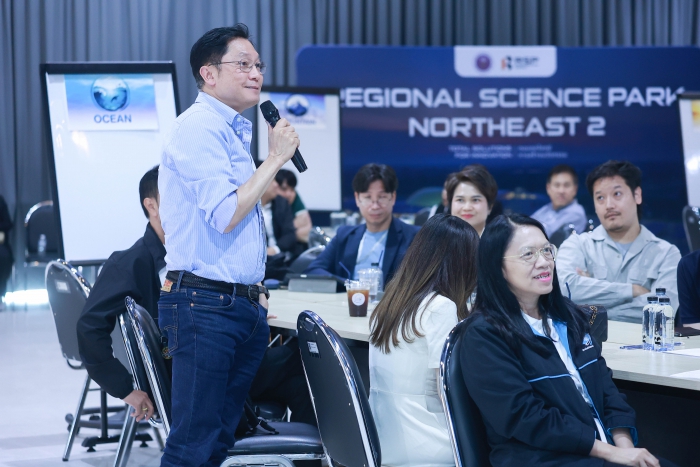
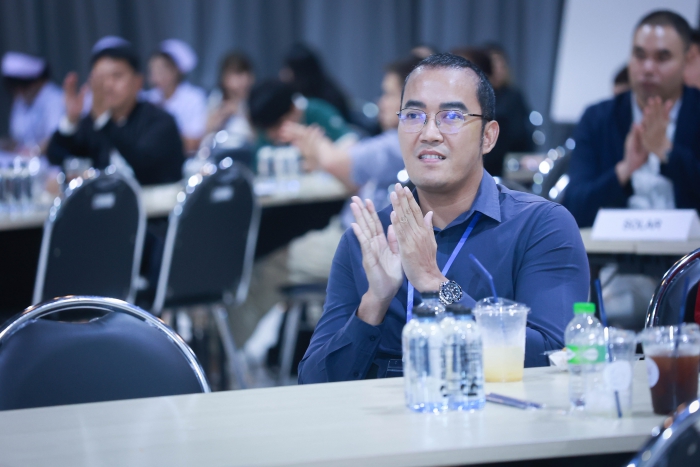
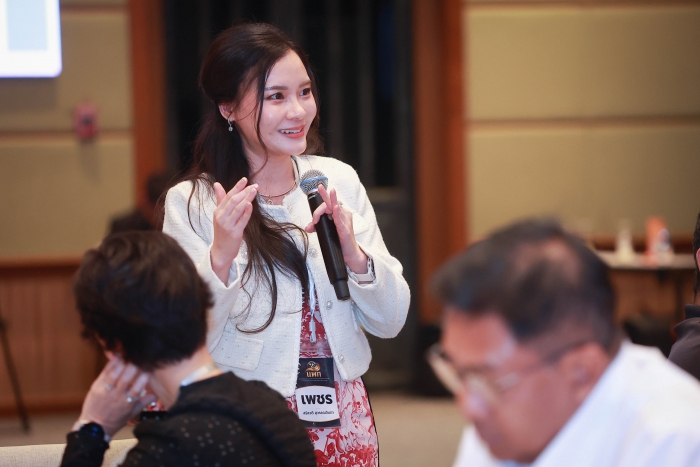
The NRCT project also promoted exchange of views among participants with senior executives, policymakers, academics, the business sector, and the innovation sector. They also participated in a strategic workshop to synthesize guidelines for developing the Thailand Medical Tourism Roadmap 2030.
The activities under the Medical Doctors' Training Program were held from May 20-22, 2026 at Rancho Charnvee Resort & Country Club, Khao Yai, Nakhon Ratchasima Province.